HVAC Filters

HVAC Filters are crucial components within Heating, Ventilation, and Air Conditioning (HVAC) systems designed to remove airborne particles, dust, allergens, and contaminants from the air circulating through buildings. These filters help improve indoor air quality, protect HVAC equipment, and maintain system efficiency.

HVAC Filters

Key Functions

1

Air Filtration:
  • Traps dust, pollen, mold spores, pet dander, smoke particles, and other airborne pollutants to ensure cleaner air.

2

Equipment Protection:
  • Prevents dust and debris from accumulating on HVAC components such as coils and fans, which can reduce efficiency and cause damage.

3

Improves Indoor Air Quality (IAQ):
  • Enhances comfort and health by reducing allergens and pollutants inside homes, offices, hospitals, and industrial spaces.
Types of HVAC Filters:
  • Fiberglass Filters:
  • Basic filters that capture larger particles; inexpensive but require frequent replacement.

  • Pleated Filters:
  • Made from folded fabric that increases surface area for better filtration; effective for smaller particles.

  • Electrostatic Filters:
  • Use static electricity to attract and trap particles; reusable or disposable types available.

  • HEPA Filters (High-Efficiency Particulate Air):
  • Capture up to 99.97% of particles as small as 0.3 microns; used in sensitive environments like hospitals.

  • Activated Carbon Filters:
  • Remove odors, gases, and chemical pollutants along with particulate matter.
Applications:
  • Residential HVAC systems
  • Commercial buildings and offices
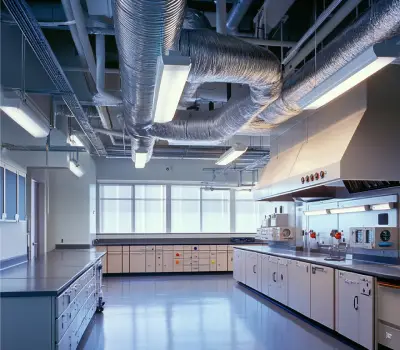
  • Hospitals, laboratories, and clean rooms
  • Industrial facilities and manufacturing plants
Benefits of Using HVAC Filters:
  • Enhances air quality and occupant health
  • Protects HVAC system components, reducing maintenance costs
  • Increases system efficiency and lifespan
  • Helps comply with indoor air quality standards and regulations