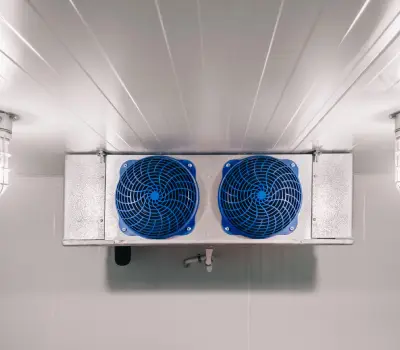
Fans

Fans are mechanical devices designed to create airflow by rotating blades or impellers, facilitating ventilation, cooling, and air circulation in various environments. They play a vital role in maintaining comfort, regulating temperature, and improving air quality in residential, commercial, and industrial settings.

Fans

Key Types of Fans

1

Axial Fans
  • Move air along the axis of the fan, similar to a propeller.
  • Commonly used for general ventilation and cooling in buildings, machinery, and vehicles.

2

Centrifugal Fans (Blowers)
  • Use a rotating impeller to increase air pressure and direct airflow perpendicular to the intake.
  • Suitable for ducted ventilation systems, air pollution control, and industrial processes.

3

Ceiling Fans
  • Mounted on ceilings to circulate air within rooms, enhancing cooling and comfort.

4

Portable Fans
  • Compact and movable fans for localized cooling and ventilation.

5

Exhaust Fans
  • Designed to expel stale, hot, or polluted air from indoor spaces to the outside.
  • Commonly installed in kitchens, bathrooms, and workshops.

Applications:

  • Residential cooling and ventilation
  • Commercial buildings and offices
  • Industrial plants and factories
  • HVAC systems and air handling units
  • Agricultural facilities and warehouses

Benefits of Fans:

  • Enhances air circulation and ventilation
  • Provides effective cooling and heat dissipation
  • Improves indoor air quality by reducing humidity and odors
  • Energy-efficient compared to air conditioning
  • Versatile and easy to install or relocate